Invıtatıon
Distinguished Colleagues,
The Neuro-Cell Molecular Research (NCMR) Congress has been established with the mission of bringing together scientists conducting cellular and molecular research at both national and international levels, creating a dynamic platform where especially young researchers can advance their careers. We are proud to announce that the 1st Neuro-Cell Molecular Research Congress (NCMR2026) will be held from August 26–29, 2026, in Kastamonu, a city renowned for its captivating nature and rich historical heritage.
Our congress covers all fields of experimental biology, including cell biology, molecular biology, biophysics, biochemistry, neuroscience, pharmacology, neuropharmacology, cancer research, systems biology, signaling and disease mechanisms, and therapeutics. Our goal is to foster scientific development and facilitate the exchange of knowledge among all researchers working in or interested in medical and health sciences.
The scientific program will feature poster and oral presentations, panels, symposia, and conferences where keynote speakers will share the latest advancements in their respective fields. As part of our commitment to supporting young talent, the “Best Poster and Oral Presentation Awards” will be presented again this year. Detailed information can be found on our official congress website: 2026.ncmrcongress.org.tr.
Important Academic Notes:
Oral presentations delivered at the congress meet the “national oral presentation” criteria for Associate Professorship applications in Türkiye.
All accepted abstract posters and oral presentations will be published in the Neuro-Cell Molecular Research Journal (https://neurocellmolres.com.tr), an international peer-reviewed journal indexed by international databases.
Social Program and Cultural Heritage,
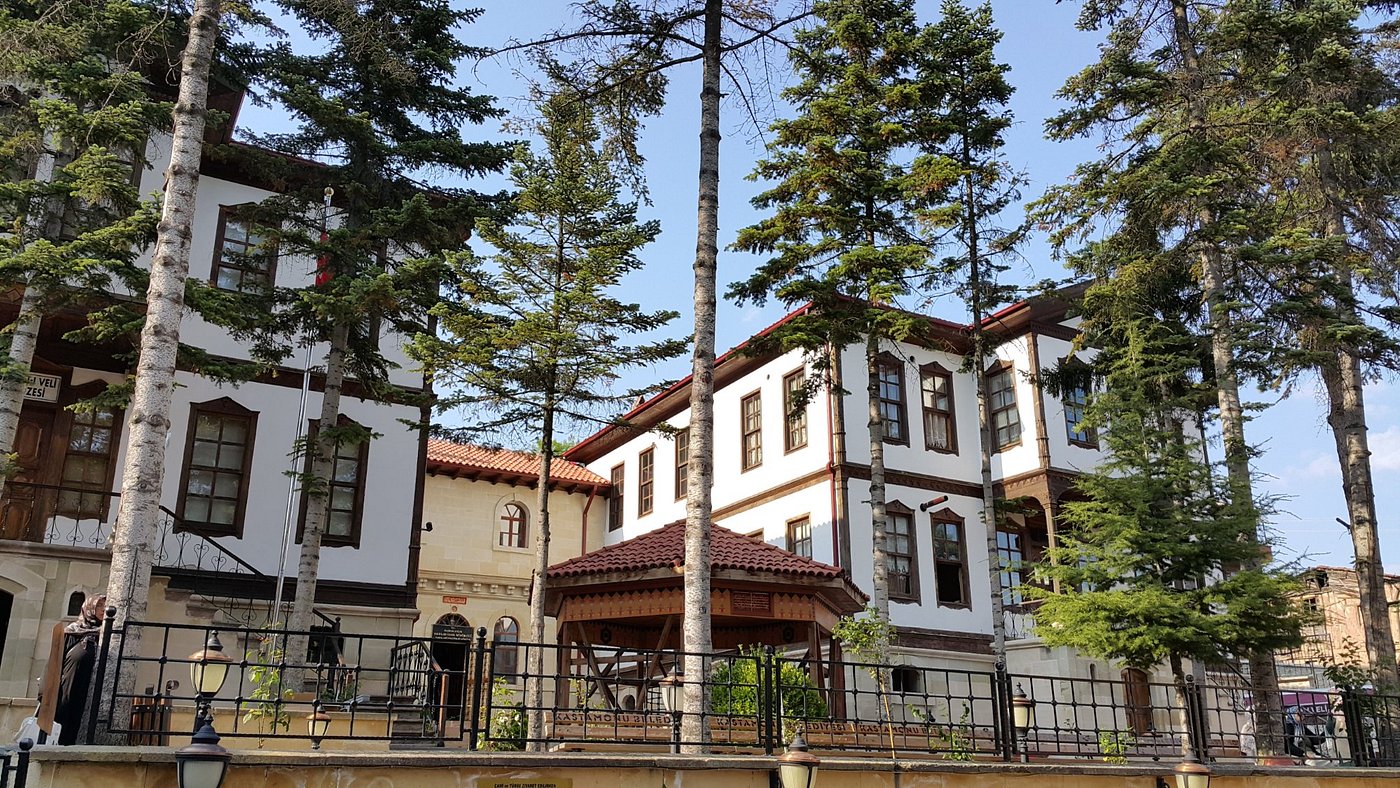
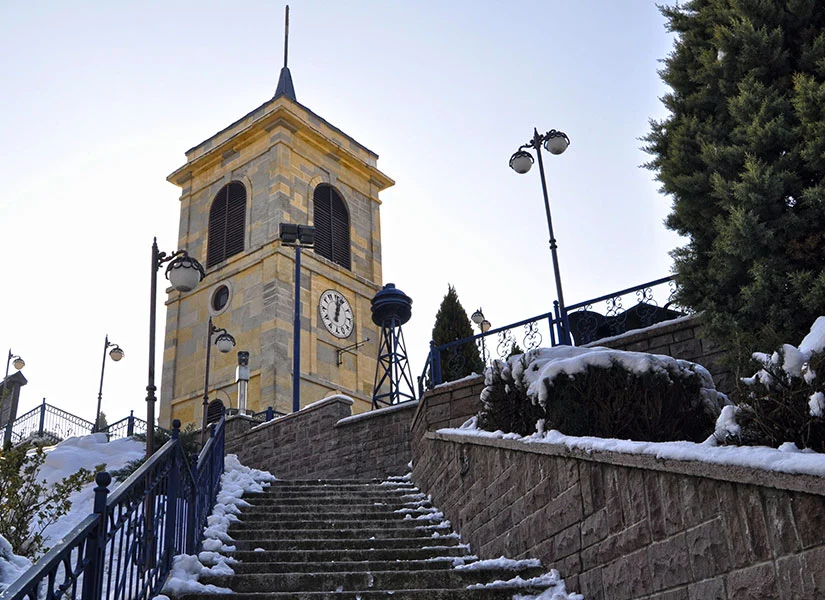
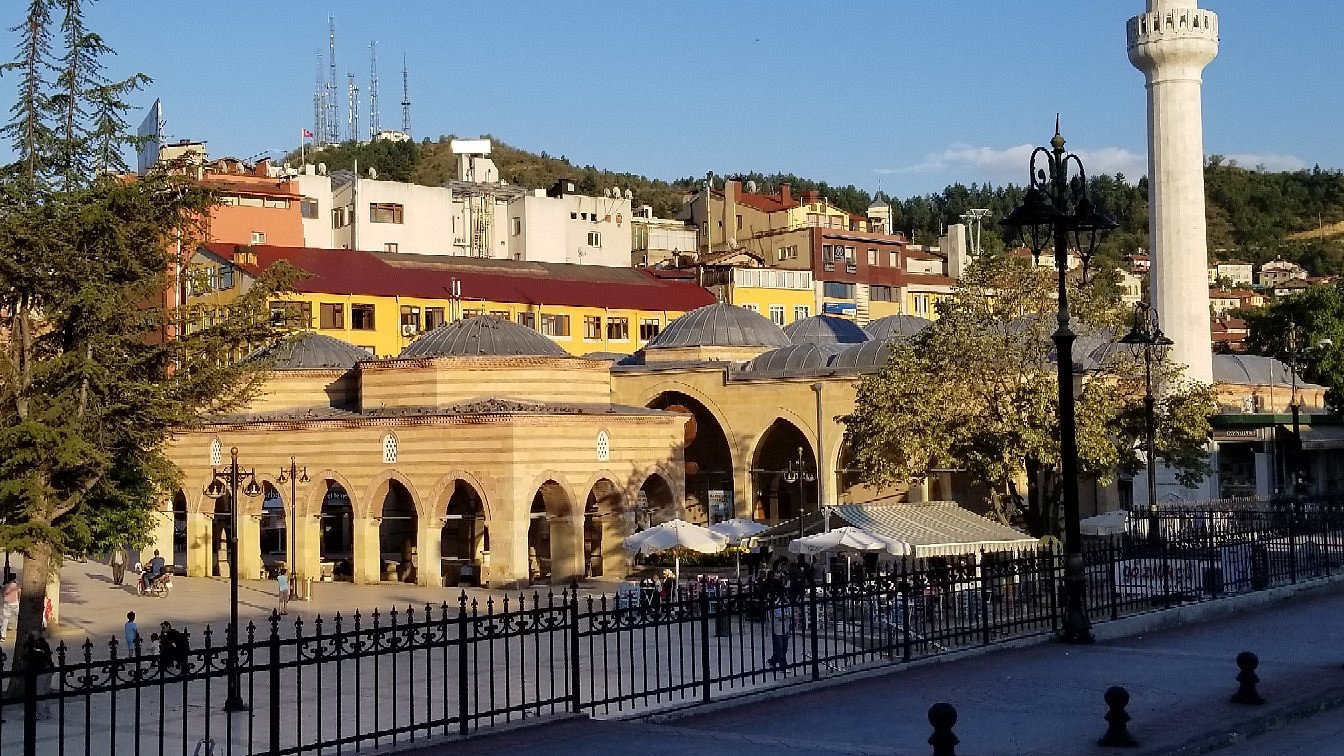
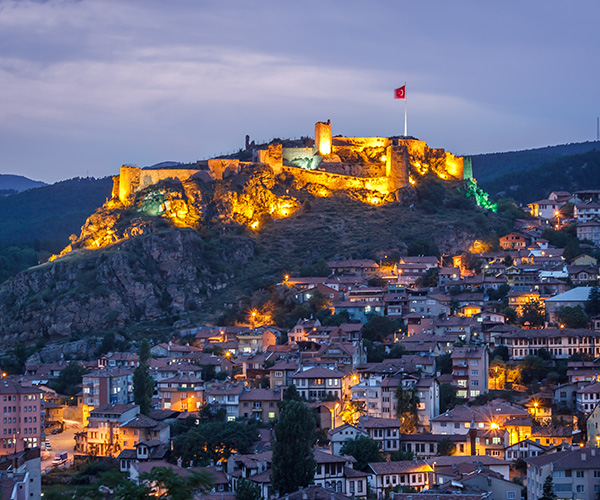
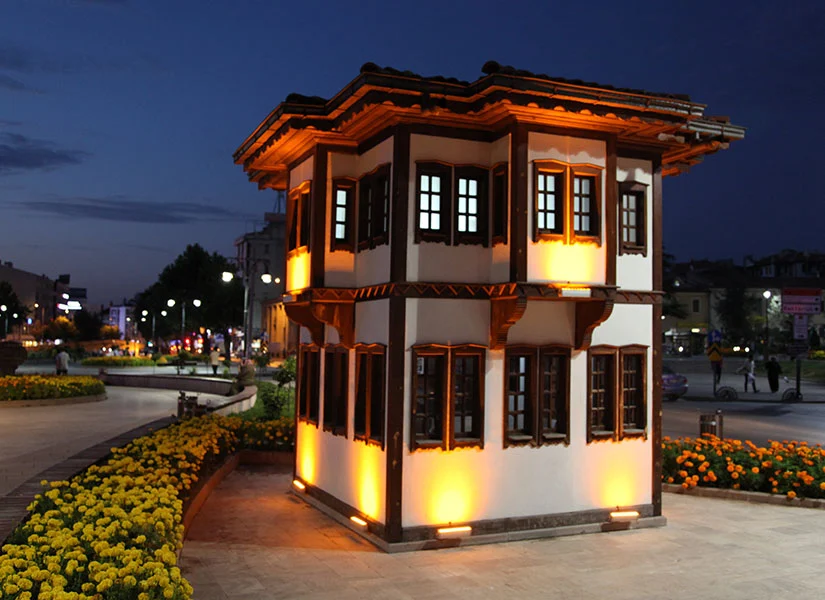
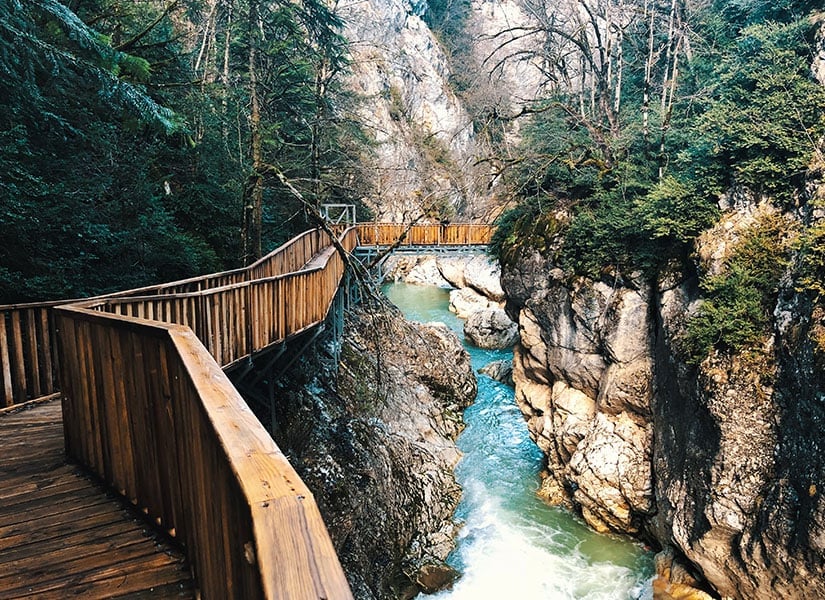
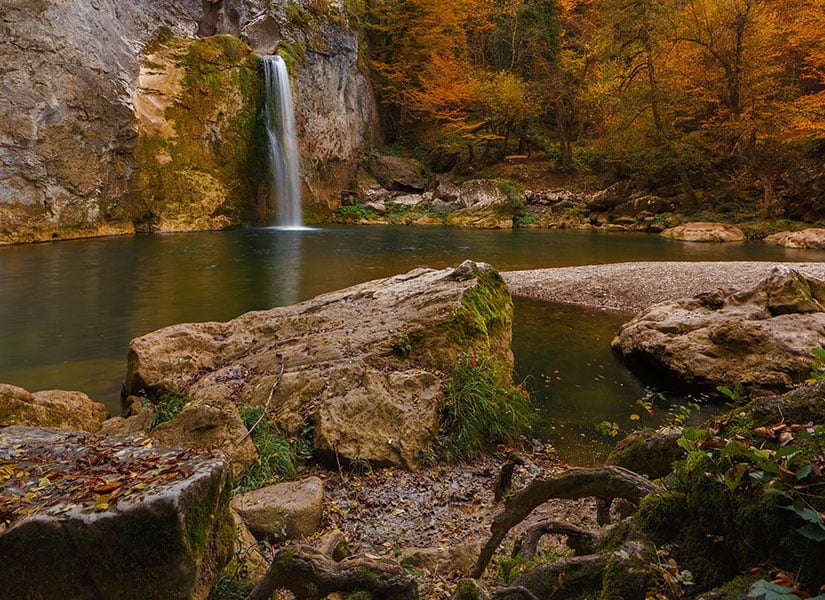
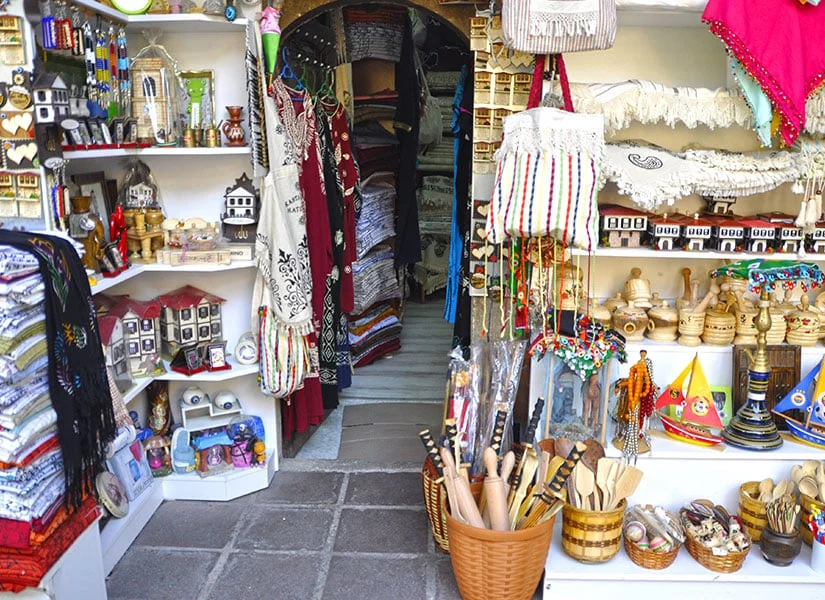
Alongside the scientific feast, social activities await you to explore the unique cultural heritage of Kastamonu. Our city tour on Saturday will include visits to the Abdurrahmanpaşa High School (one of Anatolia’s oldest high school buildings), the majestic Kastamonu Castle, the Clock Tower, the historic Nasrullah Mosque, and the Münire Madrasah Handicrafts Bazaar. We highly recommend experiencing Kastamonu’s famous pastrami, banduma, and local delicacies made from siyez wheat, as well as the aromatic çekme halva before you depart. On Sunday, an optional (paid) excursion will be organized to the breathtaking Horma Canyon and Valla Canyon.
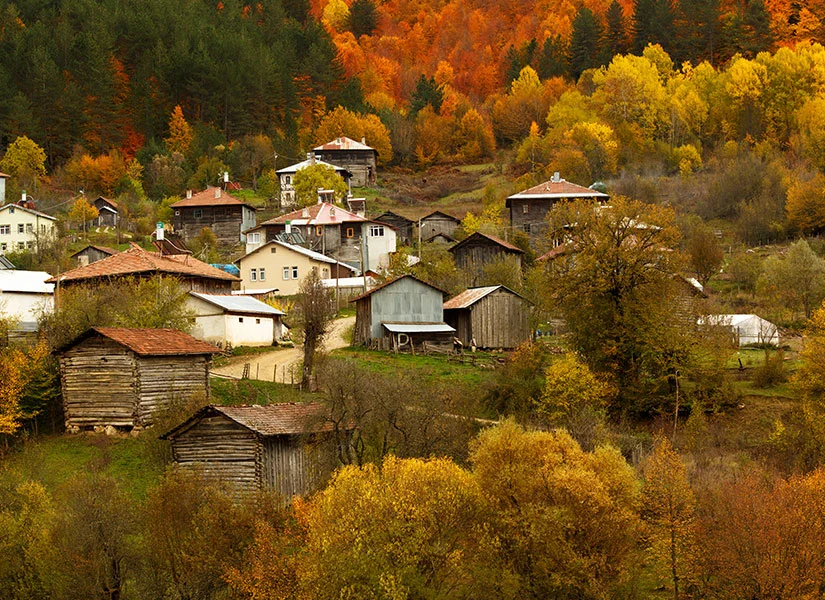
We look forward to welcoming you to Kastamonu—the heart of our country’s natural and cultural heritage—where the spirit of Sherife Bacı at the start of the Independence Road meets the spiritual atmosphere of Sheikh Shaban-i Veli, and where Seljuk and Ottoman civil architecture blends with the lush greenery of the Küre Mountains.
We will be honored to see our esteemed colleagues and our future, the young academicians, among us.
On behalf of the Organizing Committee,
Associate Professor Yener YAZĞAN
Chair of the Organizing Committee
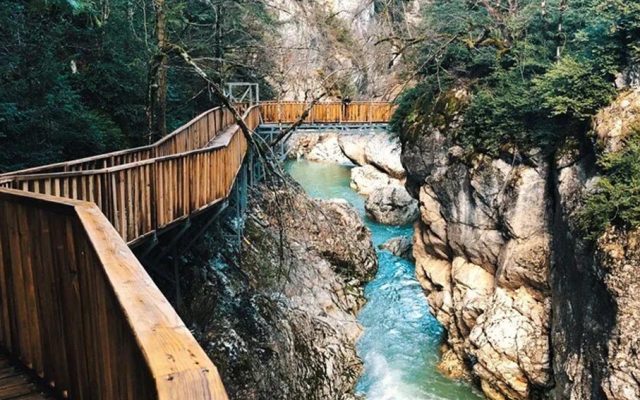
Horma Kanyonu
Horma Canyon (Horma Kanyonu)
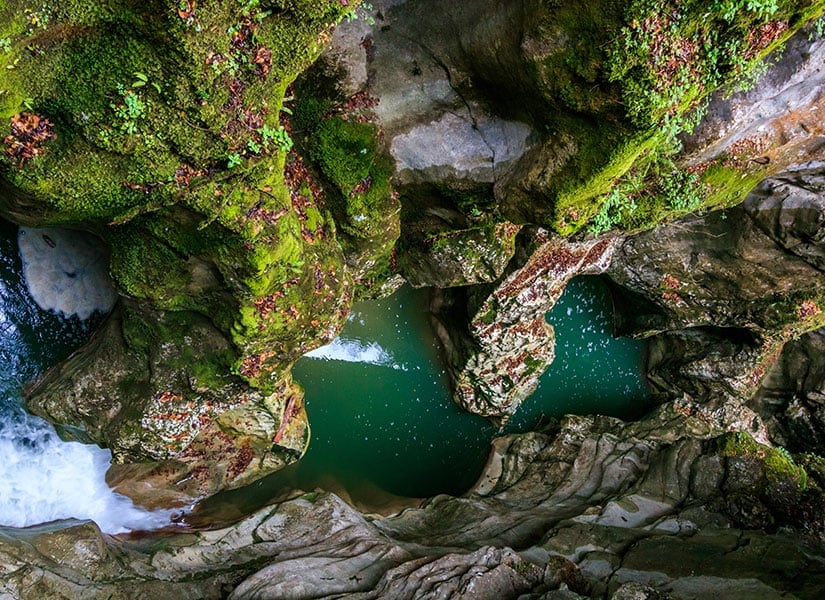
Horma Canyon is situated on the Zarı Stream, where deep, cauldron-shaped potholes have been formed by the water eroding the limestone over millennia. In ancient times, local inhabitants carved water channels through the rocks to divert water to traditional flour mills. Today, visitors can enjoy a breathtaking 3-kilometer trekking path that offers a magnificent landscape, perfect for nature and canyon enthusiasts alike.
With its unique geological structure, Horma Canyon is exceptionally well-suited for trekking and provides unparalleled opportunities for nature photography. Even simply sitting and observing the canyon offers a serene and profound experience. Furthermore, the stepped layers of the canyon walls serve as a natural record, revealing that the water levels were significantly higher in historical periods.
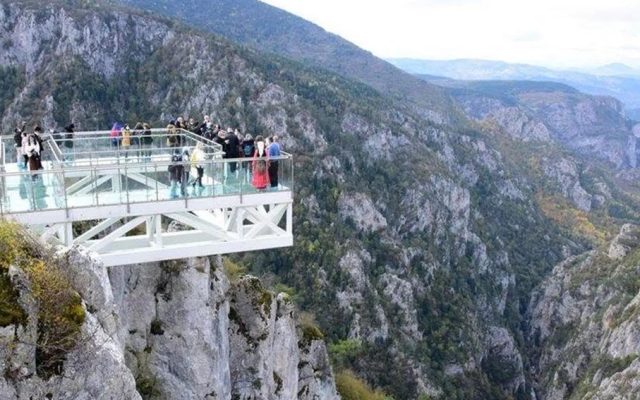
Cam Teras
Çatak Canyon Glass Observation Terrace, located in the Azdavay district of Kastamonu.
Cam Teras / Glass Observation Terrace
Gallery